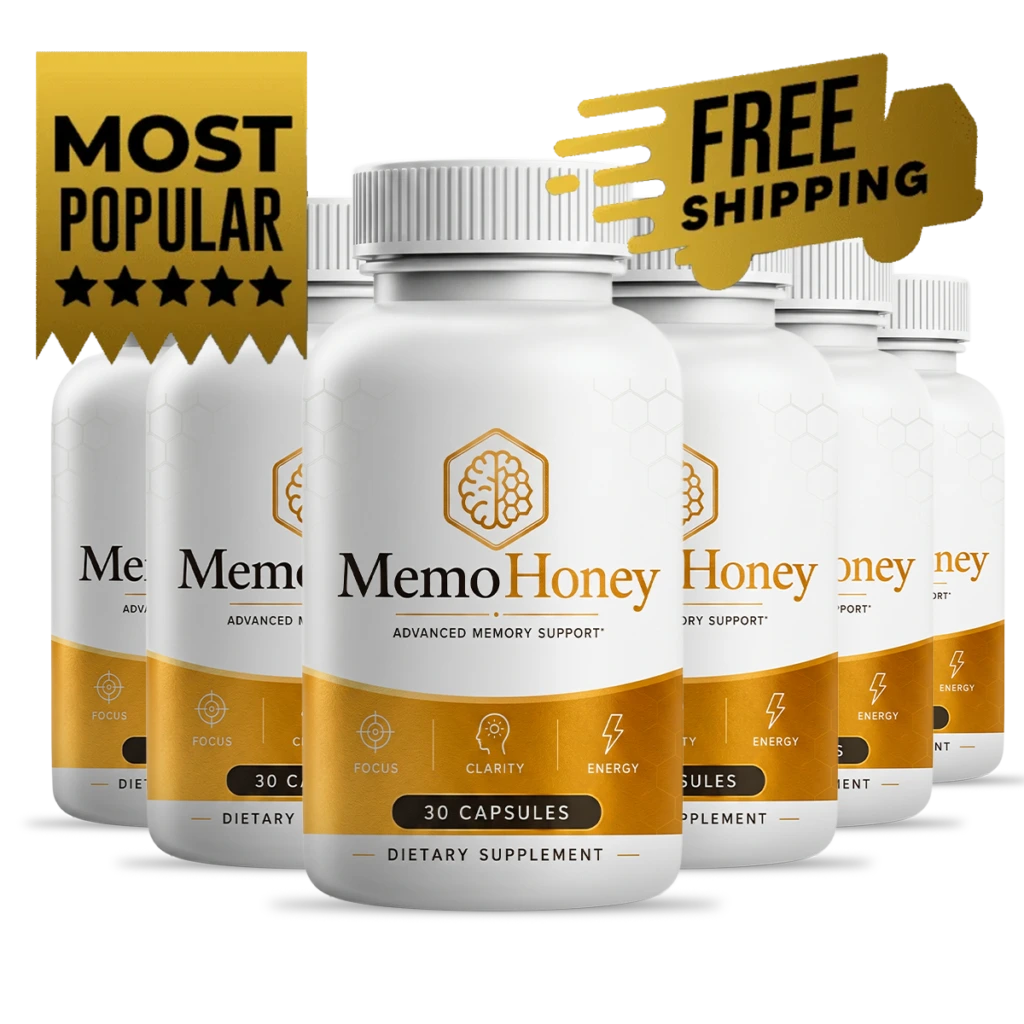
The protection gap in most cognitive formulas
Most memory supplements focus on delivery (blood flow) or neurotransmitter activity. What they consistently neglect is the protective dimension — the mechanisms determining how well neurons hold up against damage that accumulates over years, independent of how well they're fed in any given moment.
What carnosine actually is
Carnosine is a dipeptide naturally present in brain and muscle tissue, functioning as a buffer against two specific forms of cellular damage: oxidative stress from free radicals, and glycation, a process where sugar molecules attach to proteins and impair their function. Beta-Alanine is the rate-limiting precursor — meaning the amount available determines how much carnosine your body can produce.
Why oxidative stress matters for aging neurons
The brain consumes roughly 20% of the body's oxygen despite being about 2% of body mass, and this high oxygen turnover generates a correspondingly high volume of free radicals as a byproduct of normal metabolism. Left unneutralized, these damage cell membranes, proteins, and even DNA within neurons over time — one of the leading mechanistic explanations for gradual age-related cognitive decline.
Key point: Neurons have limited capacity to regenerate compared to many other cell types, making protection from existing damage particularly important relative to other tissues.
The glycation connection
Beyond oxidative stress, carnosine also chelates glycating agents — molecules responsible for the sugar-protein binding process linked to early markers of cognitive dysfunction. This is a second, distinct mechanism from carnosine's antioxidant function.
Why this is a different mechanism from circulation support
L-Arginine and L-Citrulline support blood flow — getting more oxygen and nutrients to neurons right now. Beta-Alanine, via carnosine, protects those neurons from a slower, cumulative form of damage that plays out over years. These aren't competing mechanisms; they're complementary layers addressing different timescales of brain health.
Can you get enough carnosine from diet alone?
Carnosine is present in meat, but dietary carnosine is largely broken down during digestion before much of it reaches systemic circulation intact. Beta-Alanine, by contrast, is absorbed efficiently and is the specific building block your body uses to synthesize new carnosine — which is why direct supplementation is a more reliable way to raise tissue carnosine levels than diet alone.
On dosing and what to expect
Beta-Alanine can cause a temporary tingling sensation at high single doses, typically above 3,000mg. MemoHoney's formula uses a dose well below that threshold, calibrated for consistent daily use without that side effect. As with the circulation-focused ingredients, the protective benefits of sustained carnosine support are cumulative rather than acute — a long-term maintenance mechanism, not a same-day effect.
Why this matters more as you age
The cumulative burden of oxidative stress increases with age. In early adulthood, cellular repair mechanisms keep pace with damage. By the fifth and sixth decades, damage tends to accumulate faster than it can be repaired — the biological context in which carnosine support becomes most relevant, though it is not exclusively useful for older adults.
Why this shapes the rest of the formula
MemoHoney isn't designed purely for acute performance — it targets the immediate (blood flow, cellular energy) and the cumulative (protection) at the same time. The 60-day guarantee reflects this: both the performance and protective benefits take time to become noticeable.
Six Nutrients, One Daily Capsule
Stimulant-free. Non-GMO. Made in the USA. 60-day guarantee.
Order Now